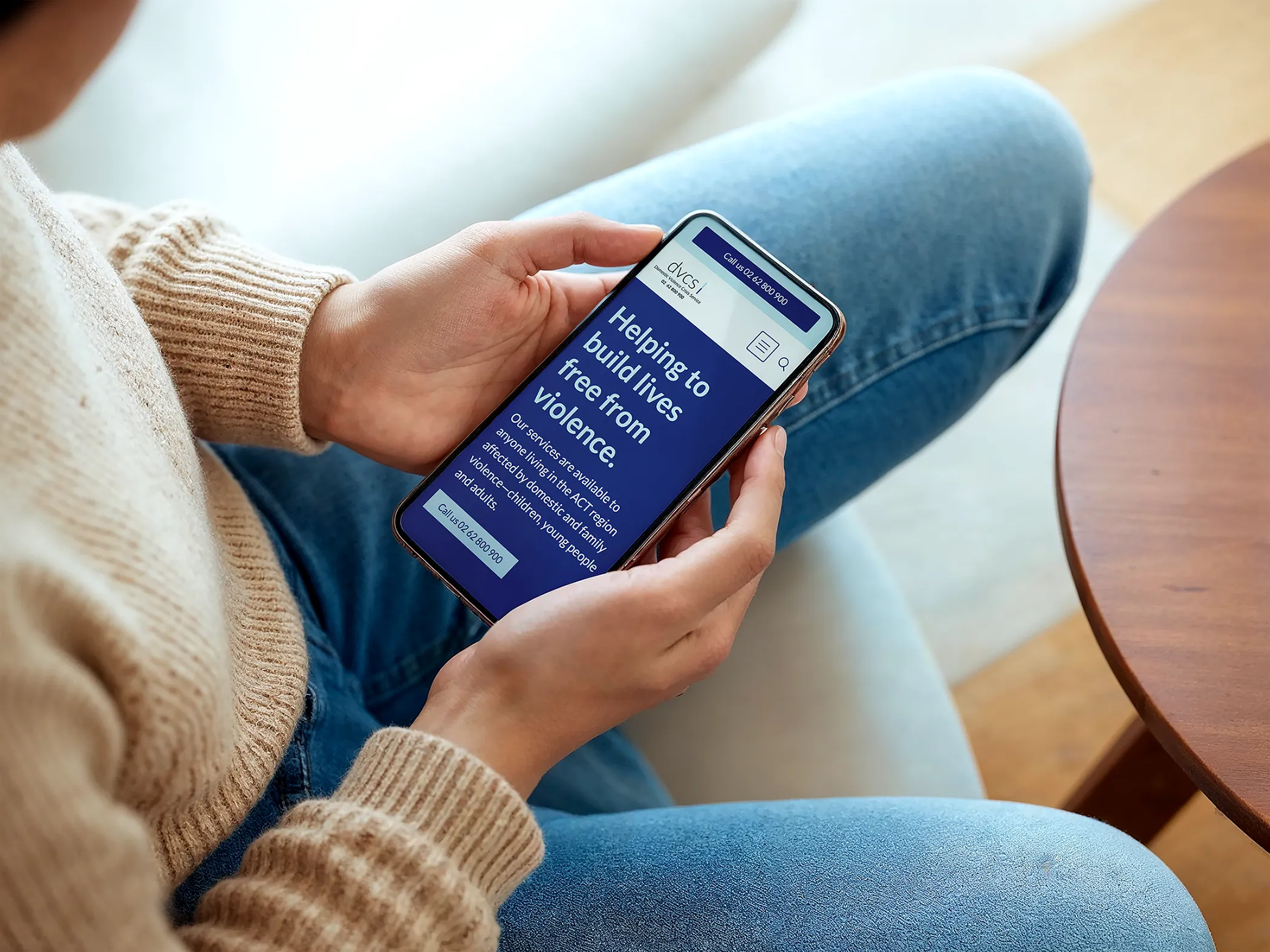
Government and council websites carry a unique responsibility. Every resident needs to be able to access services, find information, and navigate essential content, regardless of age, ability, language, or device. That's not just good design. In Australia, it's the law.
Meeting WCAG standards is a legal requirement for government and council websites in Australia. But compliance and genuine accessibility aren't the same thing. A site can tick every checkbox and still be confusing, hard to navigate, or impossible to use for someone with low digital literacy or a screen reader.
Your residents aren't a uniform group. They include elderly people, residents with disability, people from culturally and linguistically diverse backgrounds, and many who access services on a mobile phone with a slow connection. Designing for that range takes more than running an automated accessibility scan.
Meanwhile, you're managing multiple departments with competing priorities, brand guidelines that may not have been designed with accessibility in mind, a mountain of legacy PDFs, and a procurement process that can slow everything to a crawl.
Government websites have the most to gain from getting this right, and the most to lose from getting it wrong.
Some of what this looks like in practice:
An accessibility audit is often the right place to start with government and council work. It gives you a clear picture of where things stand against WCAG requirements, what the highest priority fixes are, and what a realistic path forward looks like.
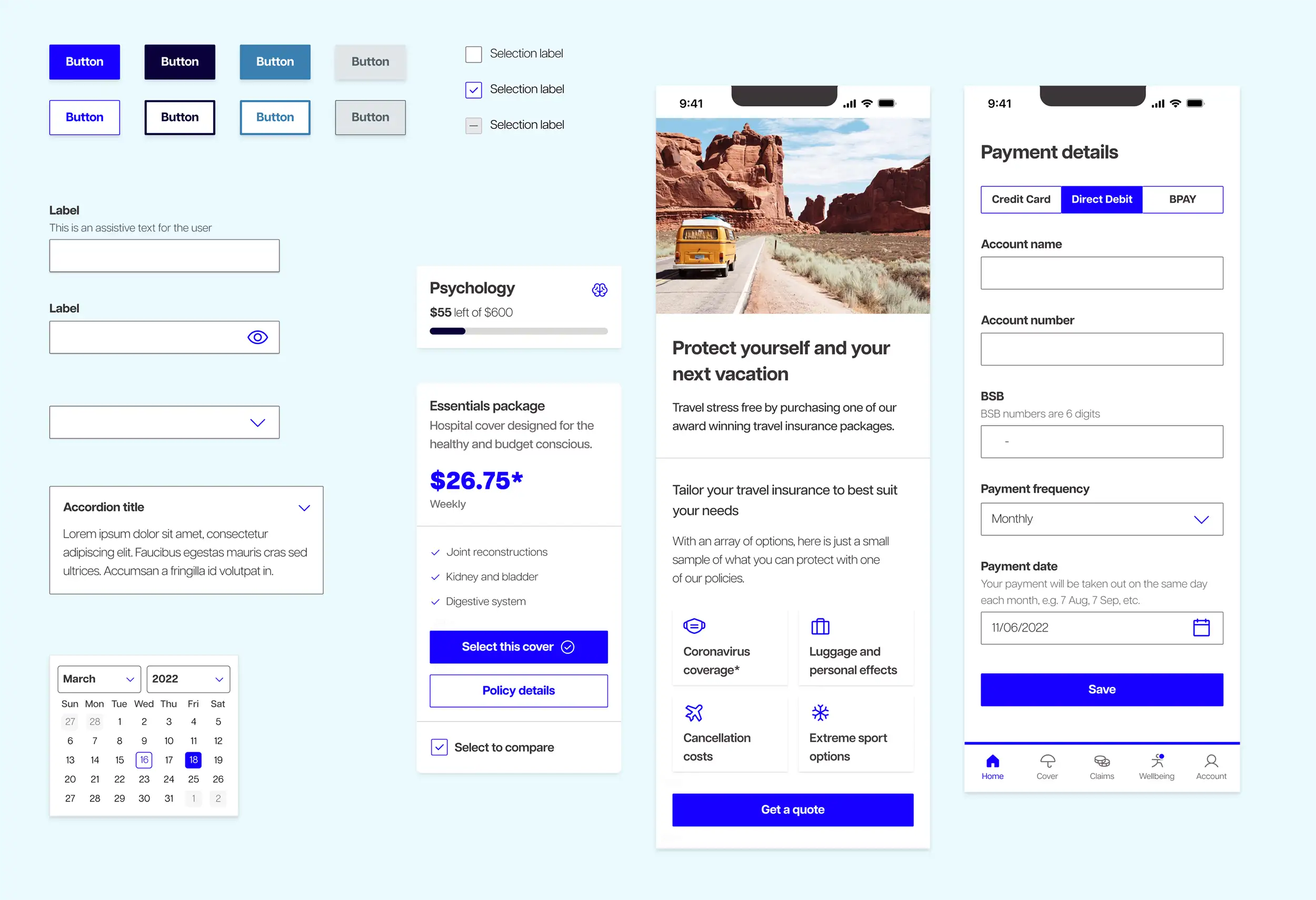
From there, I can work with your team on a website project, a design system that brings consistency across your communications, or specific UX improvements that make a material difference to how residents find and use services.
I approach government work with an understanding of the realities: approval processes, brand guidelines, multiple stakeholders, and procurement requirements. My work is structured to fit within those constraints without losing sight of the people the site is actually for.
I'm also available for speaking and training. That might mean an internal workshop for your team on accessibility best practice, or speaking as part of a program you run for local businesses and community organisations. Either way, I can tailor it to the audience and what they actually need to walk away with.
Hi, I'm Shannon, your Inclusive Design Partner who is on a mission to make beautiful websites that work for everyone
My design career spans more than a decade, across digital and physical public-facing projects. That experience underpins my practice, which is focused specifically on accessible and inclusive design.
I bring a strong UX foundation alongside genuine accessibility expertise. For government and council work, that combination matters. WCAG compliance without good UX still produces a site that residents struggle to use. I work to get both right.
If you're looking for an accessibility and design partner who understands public sector work, we should talk 💙
Meeting WCAG standards is a legal requirement for government and council websites in Australia. But compliance and genuine accessibility aren't the same thing. A site can tick every checkbox and still be confusing, hard to navigate, or impossible to use for someone with low digital literacy or a screen reader.
Your residents aren't a uniform group. They include elderly people, residents with disability, people from culturally and linguistically diverse backgrounds, and many who access services on a mobile phone with a slow connection. Designing for that range takes more than running an automated accessibility scan.
Meanwhile, you're managing multiple departments with competing priorities, brand guidelines that may not have been designed with accessibility in mind, a mountain of legacy PDFs, and a procurement process that can slow everything to a crawl.
Let's make sure yours is one of them. Let's talk 💙