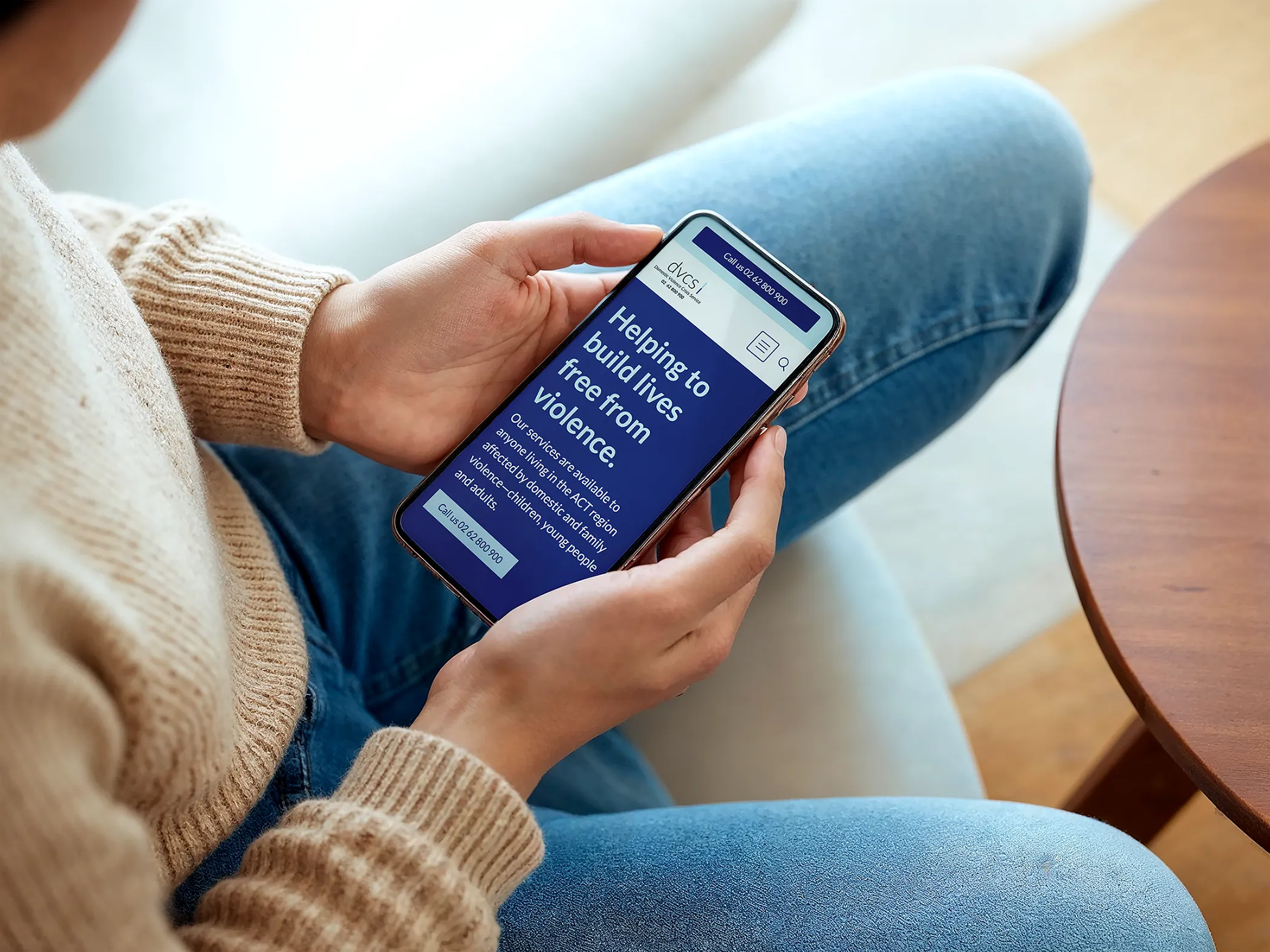
A Webflow website rebuild for a Canberra-based domestic violence support service, built to give the organisation control of their own site and their visitors a safer, clearer experience.
Domestic Violence Crisis Service (DVCS) is a Canberra-based not-for-profit supporting people affected by domestic violence. Their existing WordPress site was managed by an external agency, leaving DVCS without control over their hosting, content, or updates. The brief was to rebuild on a platform the team could actually manage, while modernising the design and improving the experience for people arriving in difficult circumstances.
What needed to be built:
Every decision was shaped by the people who would need this site most.
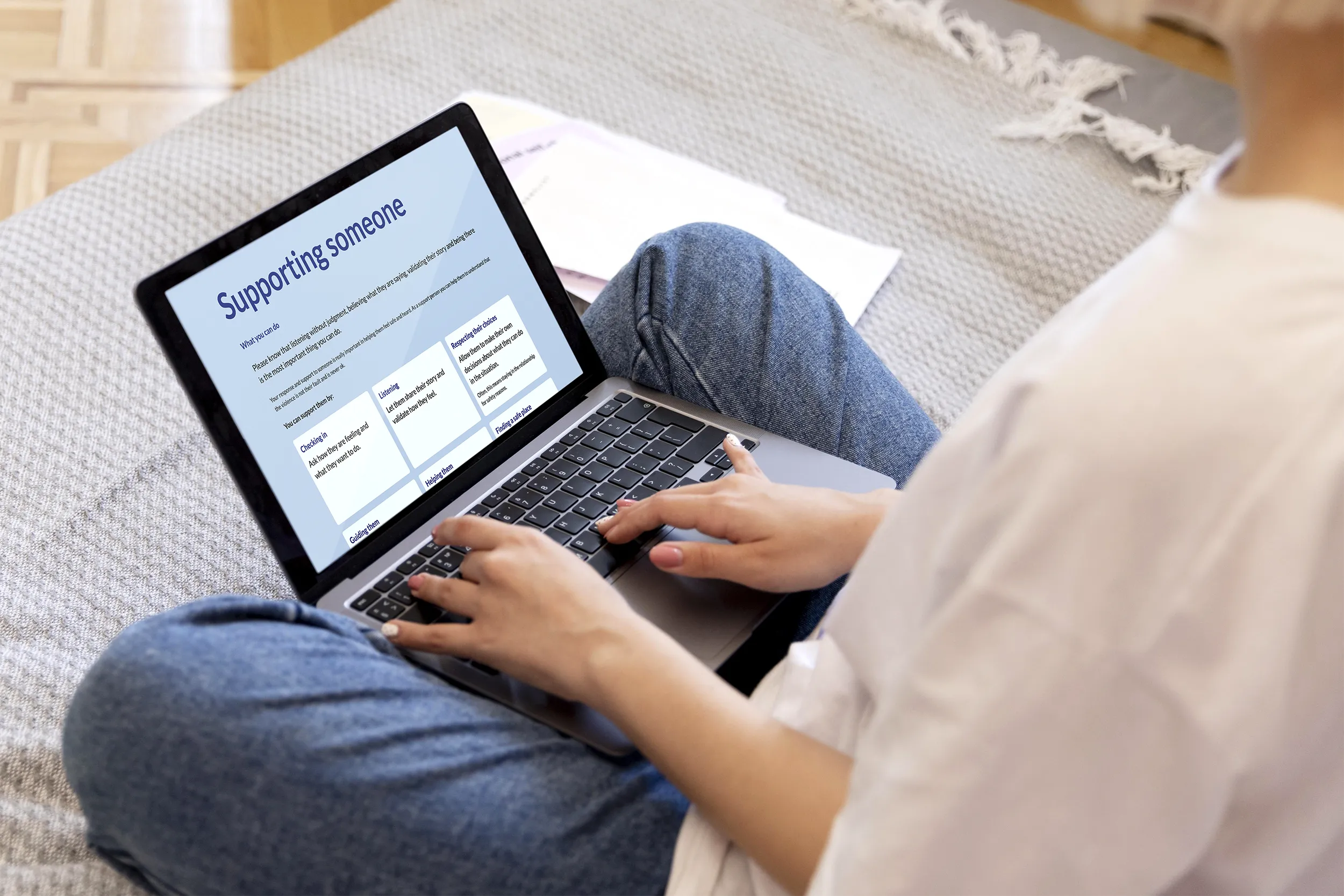
Websites like this one are not just information pages. For some people, they are the first quiet step toward something safer.
Every decision about layout, language, and navigation has a real person behind it, and so much care and consideration has gone into every step to ensure people can get the help they need.
The rebuild moved DVCS from WordPress to Webflow, giving the team full control over their content and hosting for the first time. The visual direction stayed true to the DVCS brand, but stripped back what wasn't working. A heavy gradient hero and dense orange icon tiles made way for real photography, a consistent navy palette, and a card layout with room to breathe. The site now feels calm and human, which is exactly what it needed to be.
The content and language received just as much attention as the design. The FAQ section addresses questions like whether someone has to leave their partner, meeting visitors where they are. Resources for friends and family were given clear prominence, because people seeking help are not always the person directly affected.
The site includes a quick exit button that lets users leave instantly without leaving a trace in their browser history. Clicking it opens Google in a new tab, replaces the current page in the browser's history, and sets a flag that catches any back-navigation before content loads. It also handles the browser's back/forward cache, which can otherwise expose users in some browsers. The feature was refined after launch to close edge cases that could have put people at risk.
People with disabilities experience domestic violence at a disproportionate rate, which made WCAG 2.2 compliance non-negotiable. The site meets standards for colour contrast, keyboard navigation, screen reader compatibility, and font sizing. An accessibility statement is published on the site.
A privacy statement covers what information is collected, how it is handled, and what to expect when reaching out for support. The quick exit feature adds a practical layer of protection, though private browsing remains the recommended approach for anyone who needs full history protection.
Every content decision was made with the understanding that visitors may be frightened or not yet ready to act. Language was chosen to reduce pressure rather than add to it, avoiding assumptions about what someone should do.
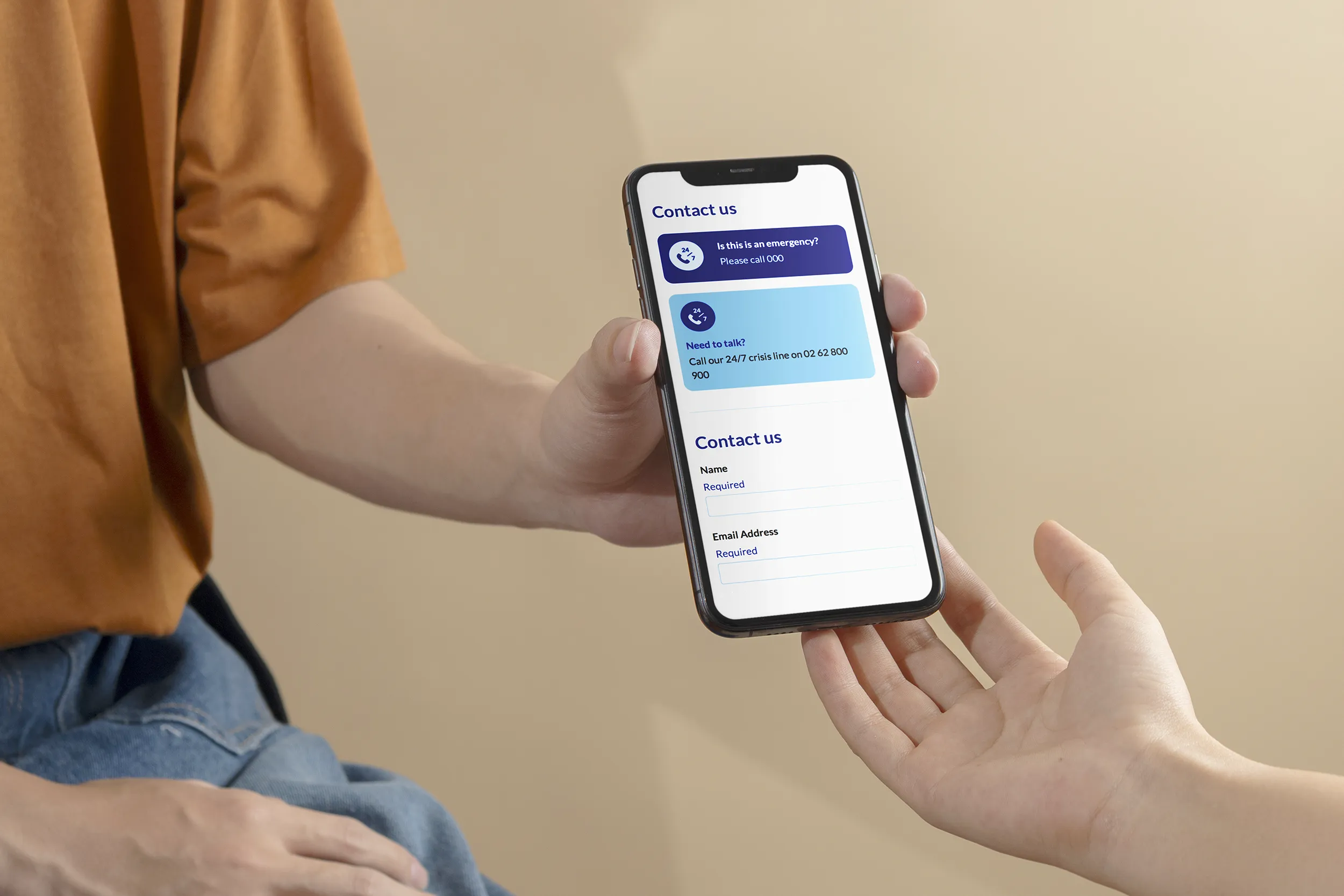
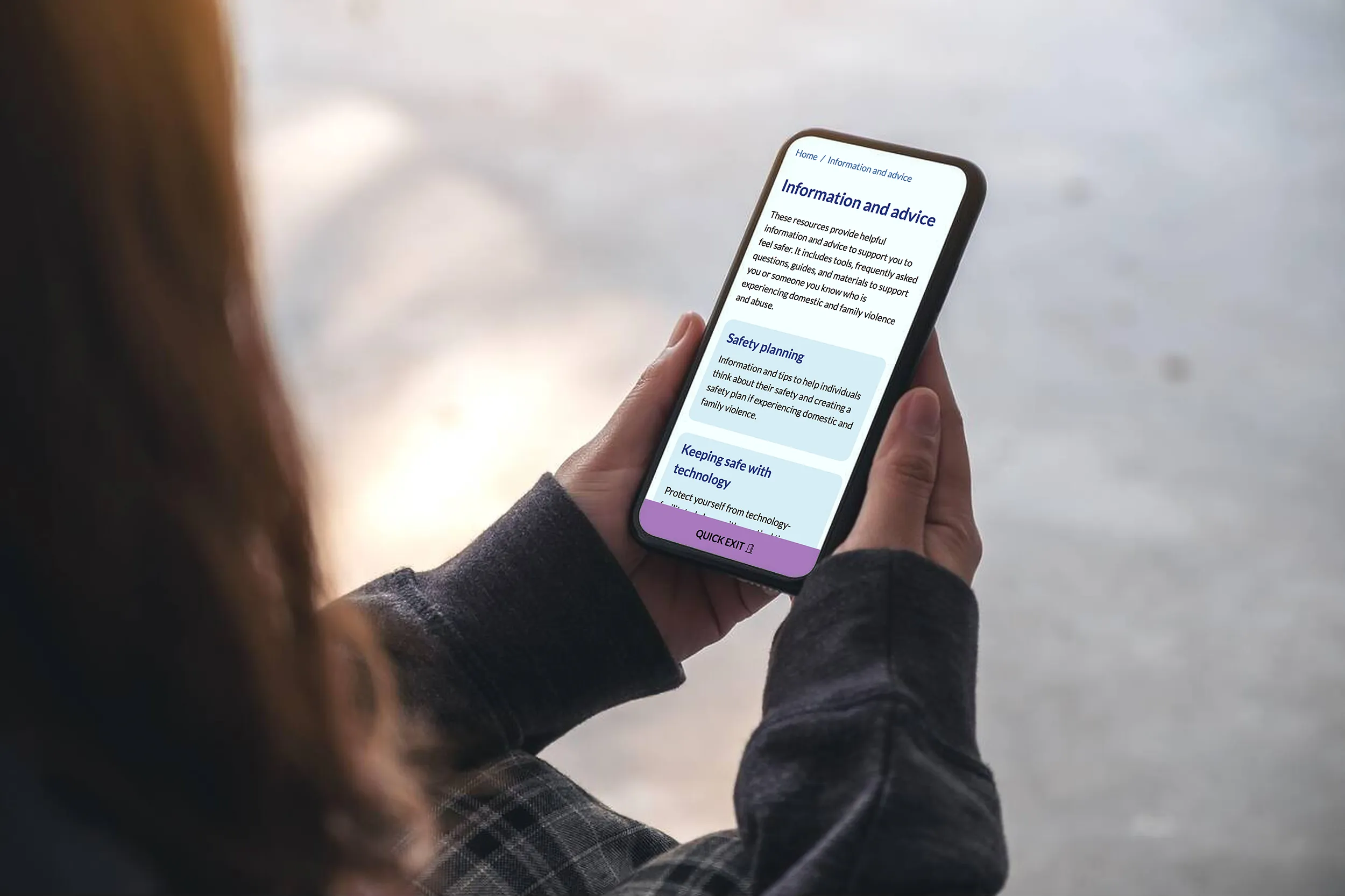
DVCS now has full ownership of their website for the first time. The team can update content independently, without going through an external agency. The site has been well received internally, and work has continued since launch to improve the safety features and maintain WCAG 2.2 compliance.
Organisations that serve people in difficult situations need websites that are clear, calm, and accessible to everyone. Let's make sure yours is up to the job.
