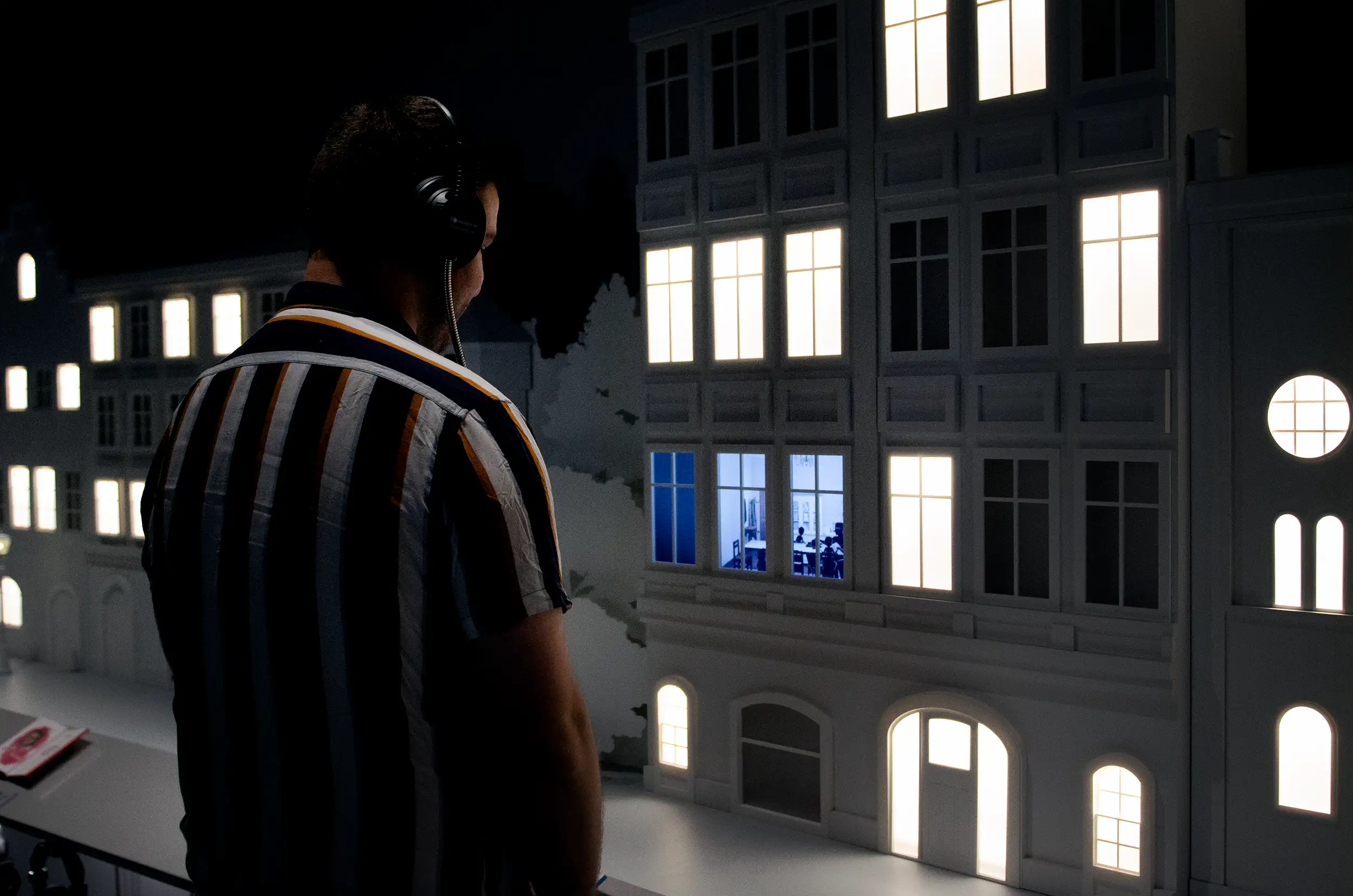
An interactive installation telling the real stories of seven Jewish children before, during, and after World War II.
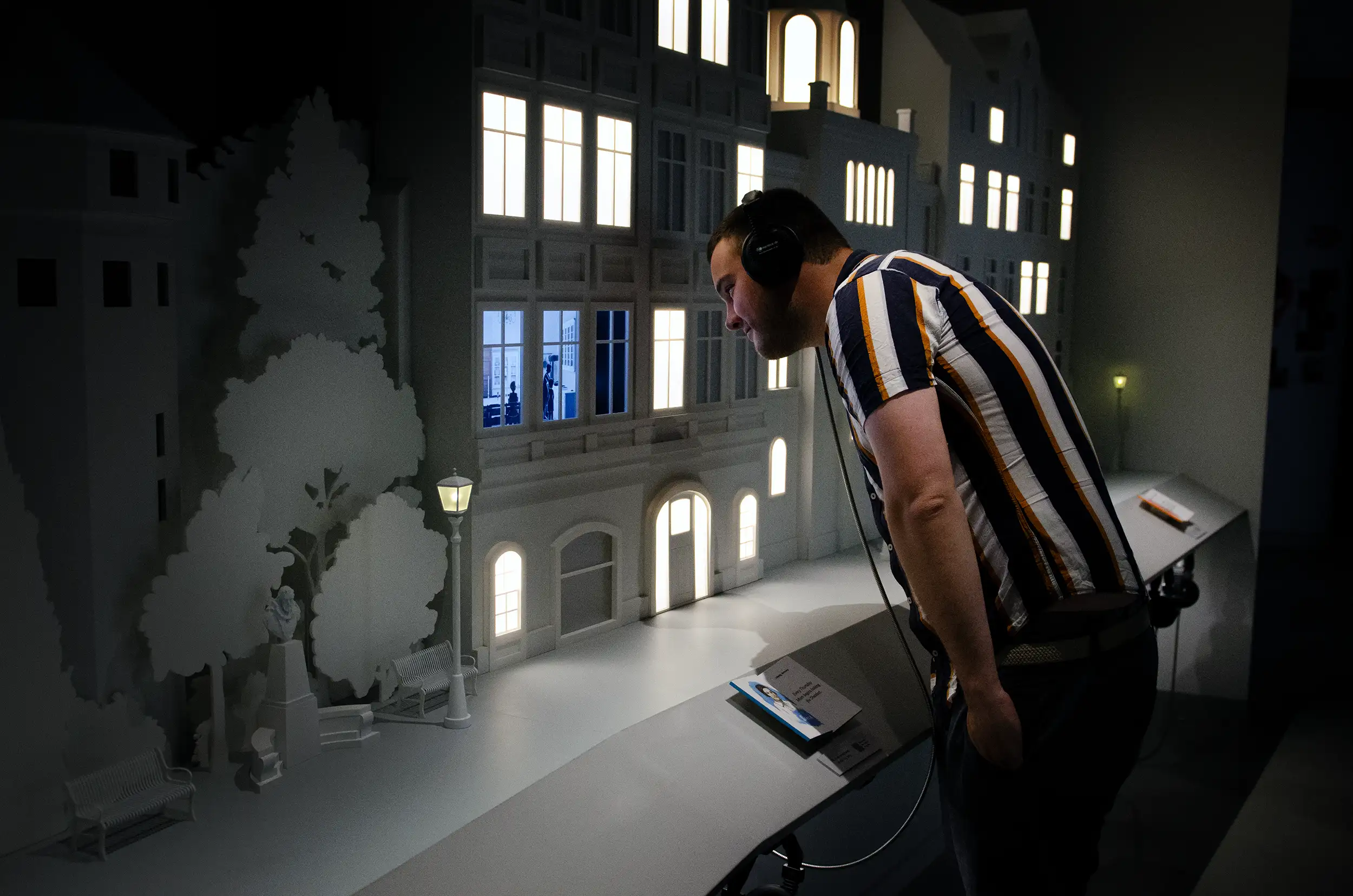
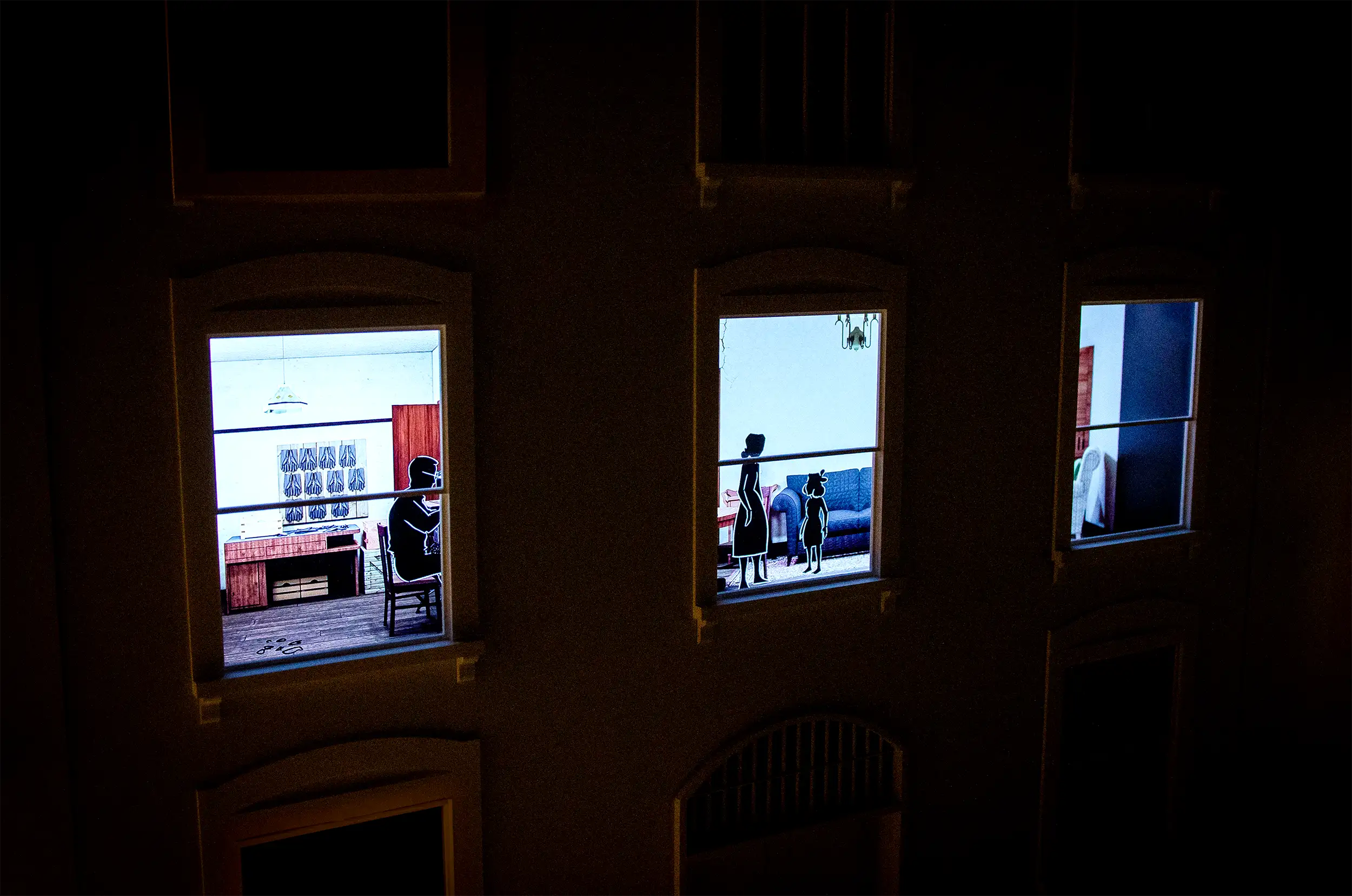
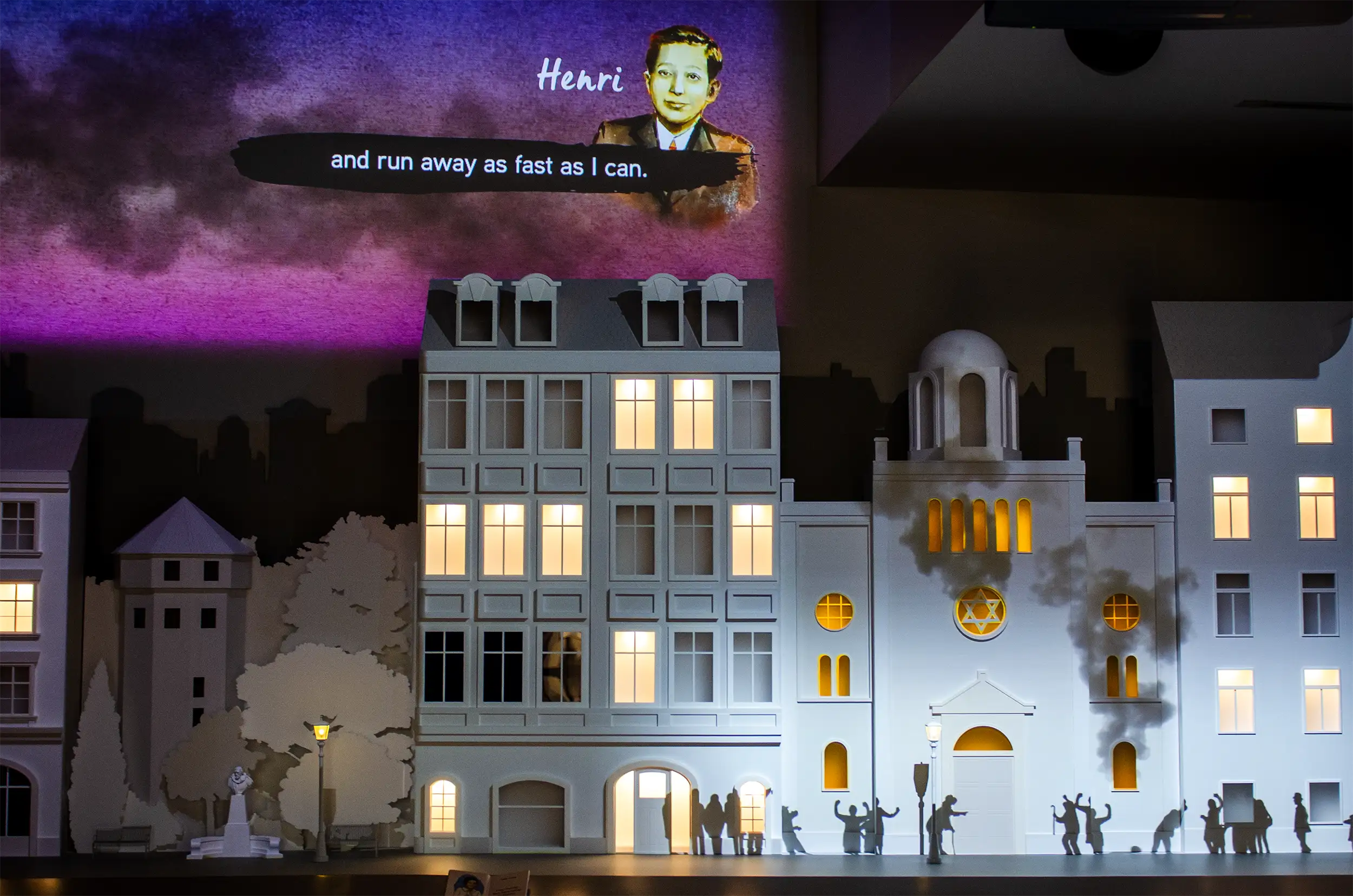
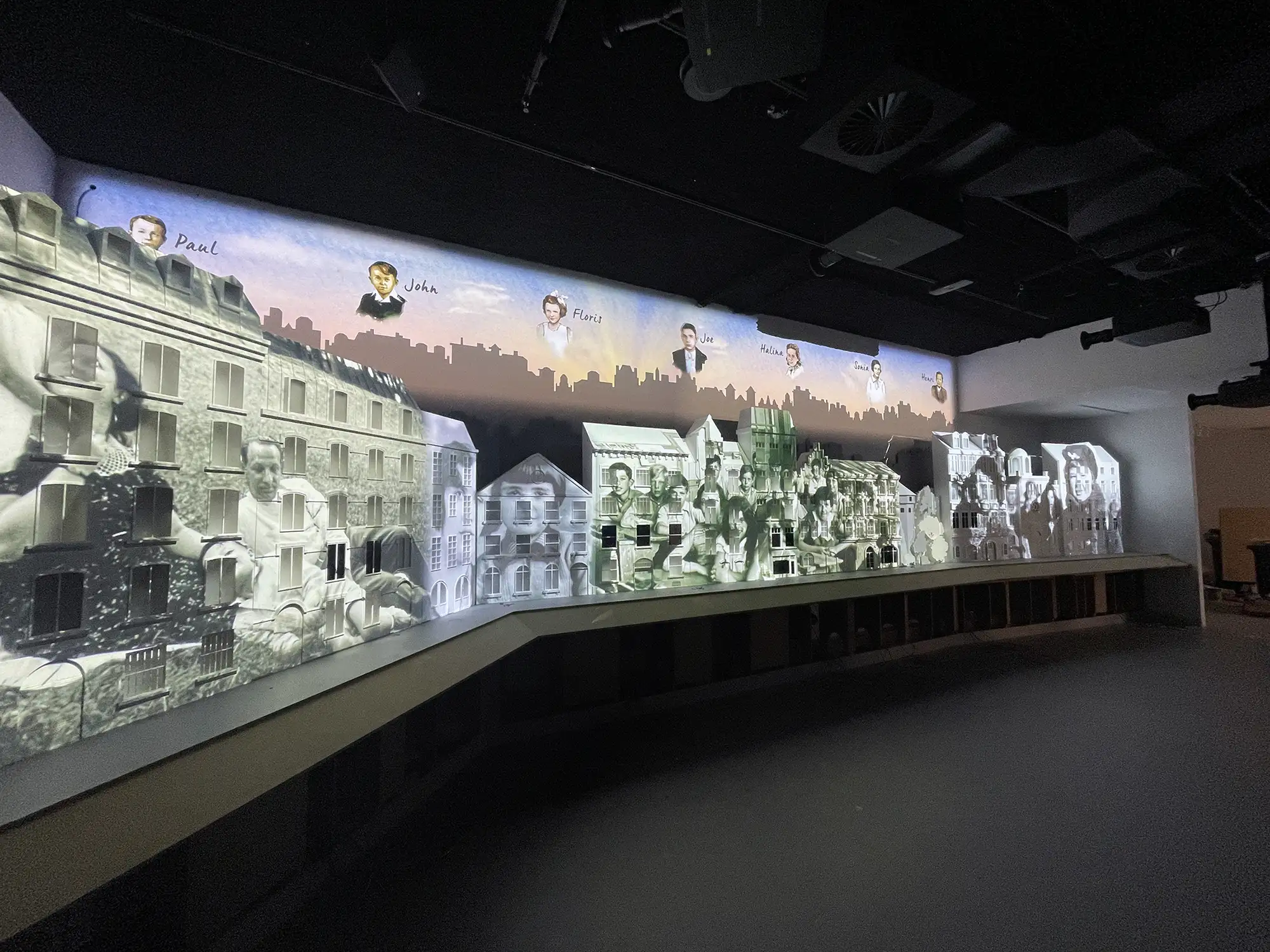
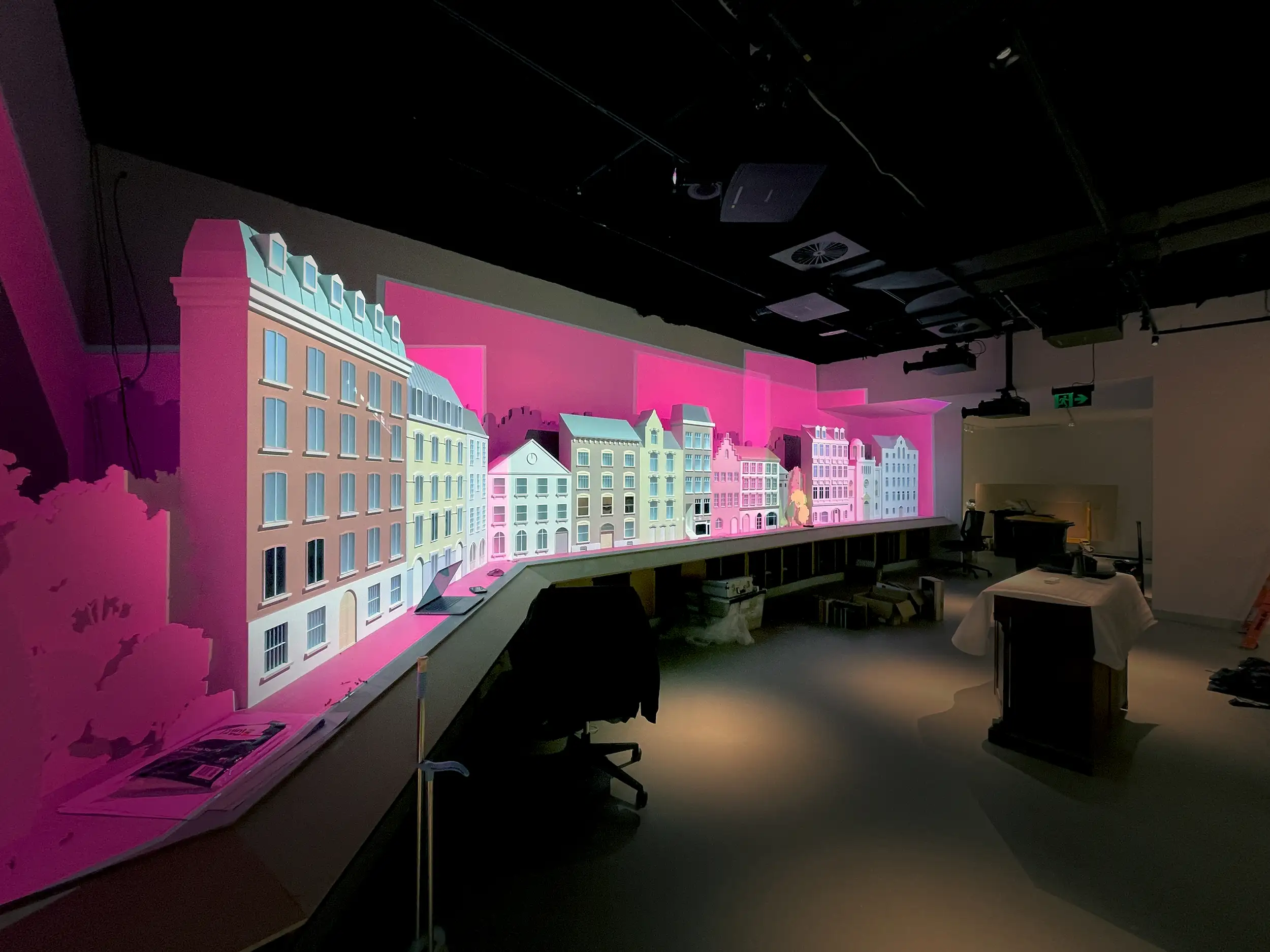
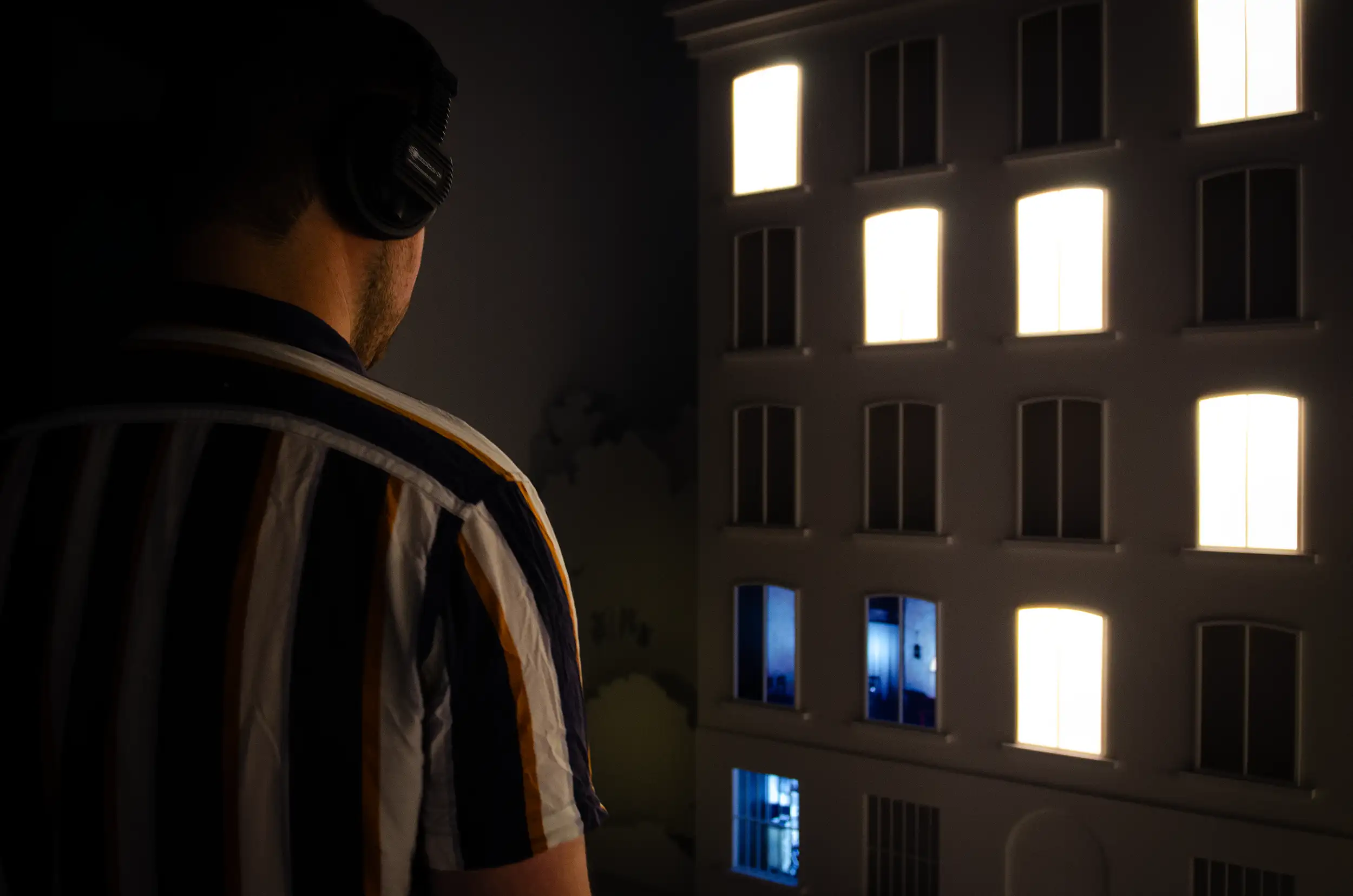
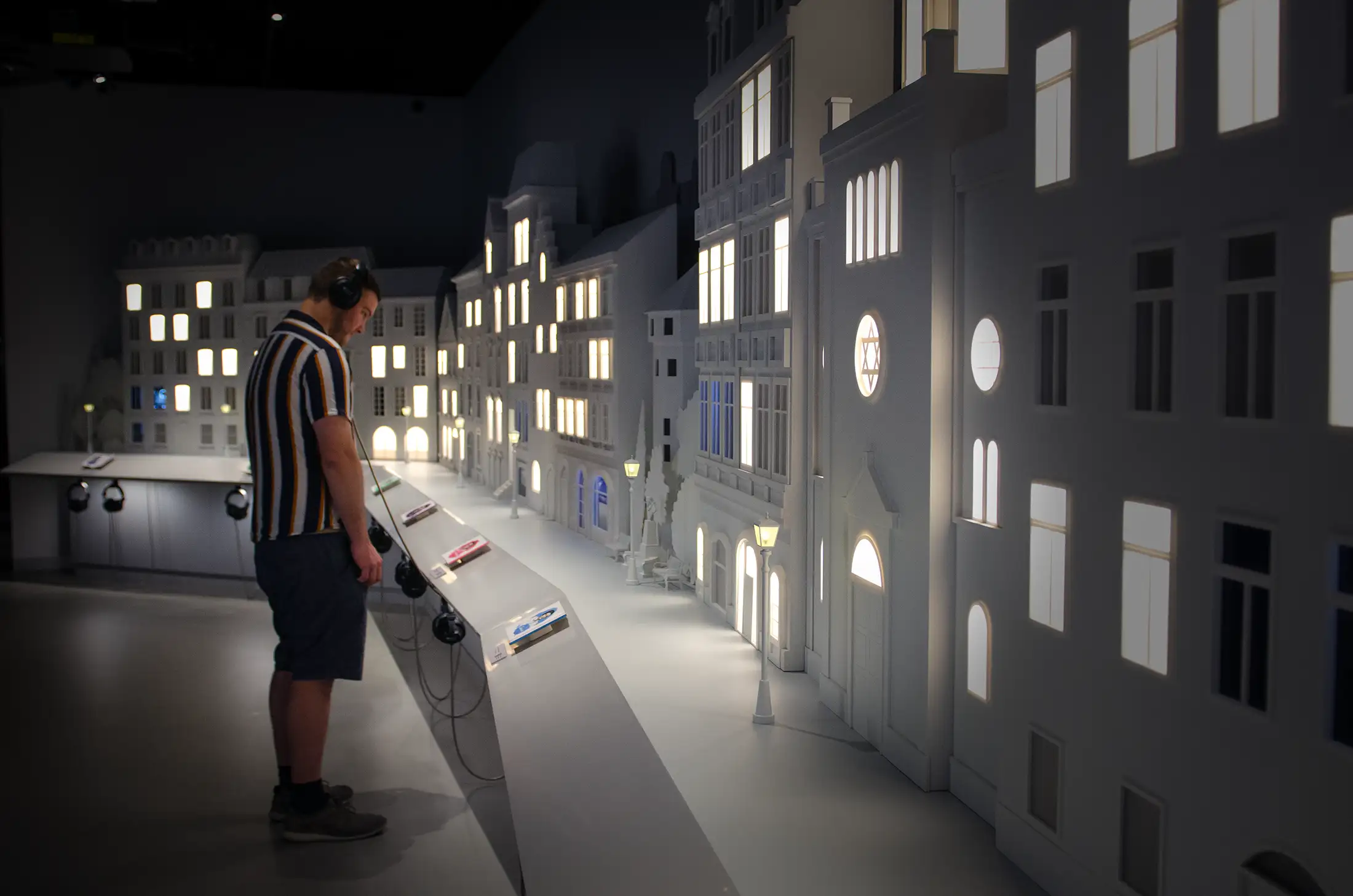
The Melbourne Holocaust Museum commissioned The Village to bring the Holocaust to life through the eyes of real children. The installation takes the form of a physical village streetscape, with projection mapping across the exterior facade and embedded screens inside individual windows, each carrying a portion of a child's story. The brief was to create something emotionally resonant, age-appropriate, and technically precise.
What needed to be built:
Every decision was made in service of seven real children's stories, told with honesty and care.
This one genuinely meant a lot to me. I'd worked with the Jewish Museum of Australia before on a project involving animation and augmented reality, so when The Village came along I already had a sense of how much care goes into getting this kind of storytelling right. Being trusted to help bring these children's stories to life on screen was a privilege I didn't take lightly.
All photographs in this case study were taken by me.
This project was completed as part of my work with Art Processors. Key collaborators included Sam Doust, Tom Kojrowicz, Kate Chmiel, and the wider Art Processors production team.
The interior animations were composited to sit within the physical windows of the village, each carrying part of a child's journey from life before the war through to eventual arrival in Australia. The visual style was built to be age-appropriate without softening the emotional reality of what these children lived through.
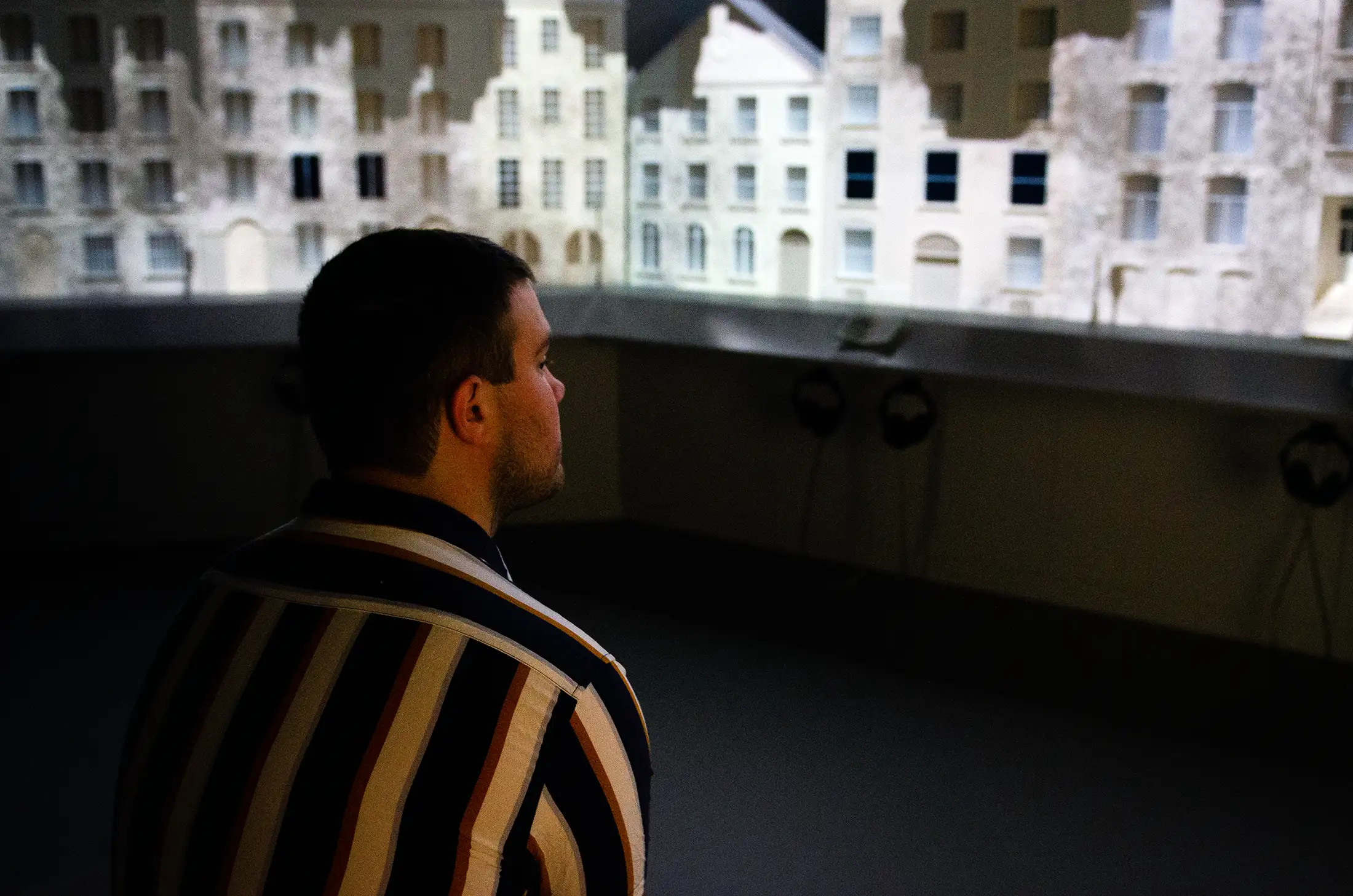
The exterior projection mapping plays as a group sequence before visitors transition inside. Headphones are provided for the interior experience, giving each visitor individual volume control and allowing people to move through the stories without disrupting others nearby.
Headphones throughout the interior give visitors direct audio control and ensure the content remains clear in a shared physical environment. Interior screens were installed at multiple heights to accommodate a range of ergonomic needs, and both fixed and portable seating was available throughout the museum, giving visitors the option to move through the installation at their own pace and comfort.
The installation tells the real stories of real children, and the subject matter required careful handling at every step. The visual language was calibrated to be honest without being traumatising, particularly given the young primary audience. Every story is presented with dignity, not spectacle.
The Village is part of The Hidden exhibition at the Melbourne Holocaust Museum, which has been experienced by visitors of all ages, including school groups meeting this history for the first time. The Hidden exhibition was awarded the Social Impact award at the 2023 Australian Museums and Galleries Association (AMaGA) Awards and the Large Project award at the 2023 Victorian Museums and Galleries Awards (VMaGA).
Cultural heritage installations carry real responsibility. If you're working on a project where the storytelling has to land, I'd love to help make sure it does.
